When 25-year-old Turkish young man Kerem Akdaş navigates the buildings of Shenzhen’s tech park or engages in cross-cultural case discussions in classrooms at the Peking University HSBC Business School(PHBS), the labels that define him extend far beyond “international student.” As a Master of Management candidate in the class of 2025 at the school, this young man from Istanbul has been both a volunteer in Türkiye’s earthquake relief efforts and a former project lead for the global e-commerce platform Shein. Five years of Chinese language study, deep philosophical musings through classic texts, the tempering of real-world business experience, and an unwavering “bridge-builder’s heart” together sketch the portrait of a contemporary youth moving fluidly between East and West while balancing and deepening his engagement with both social impact and commerce. For him, China is not merely a destination for study, but a fertile ground he has gradually come to know through his footsteps, his writing, and his career.
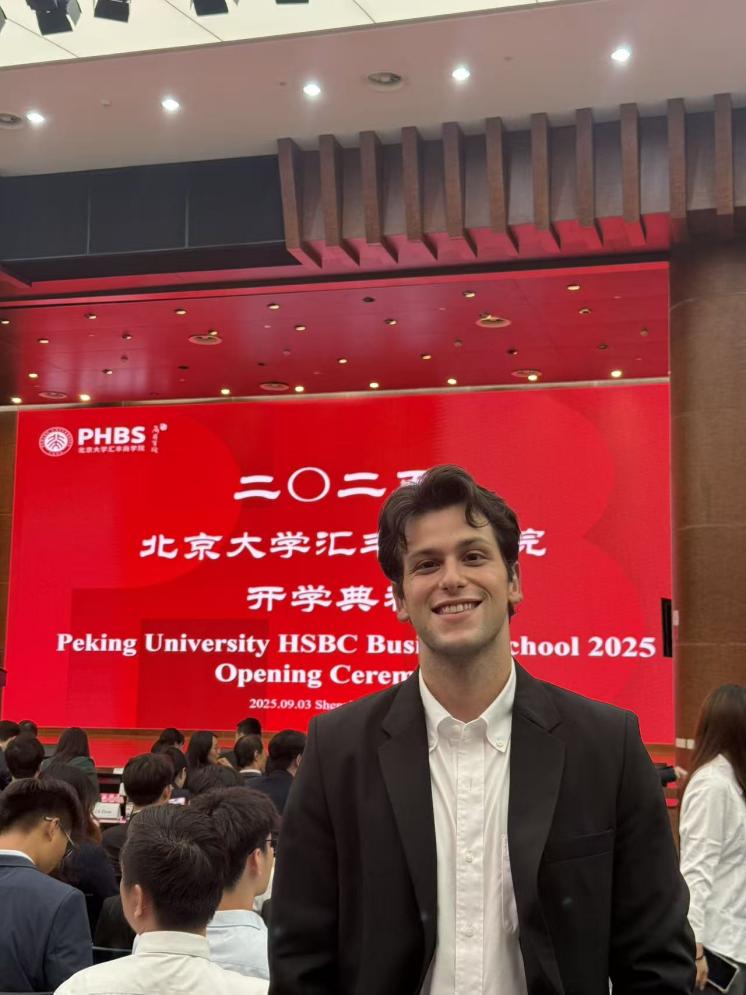
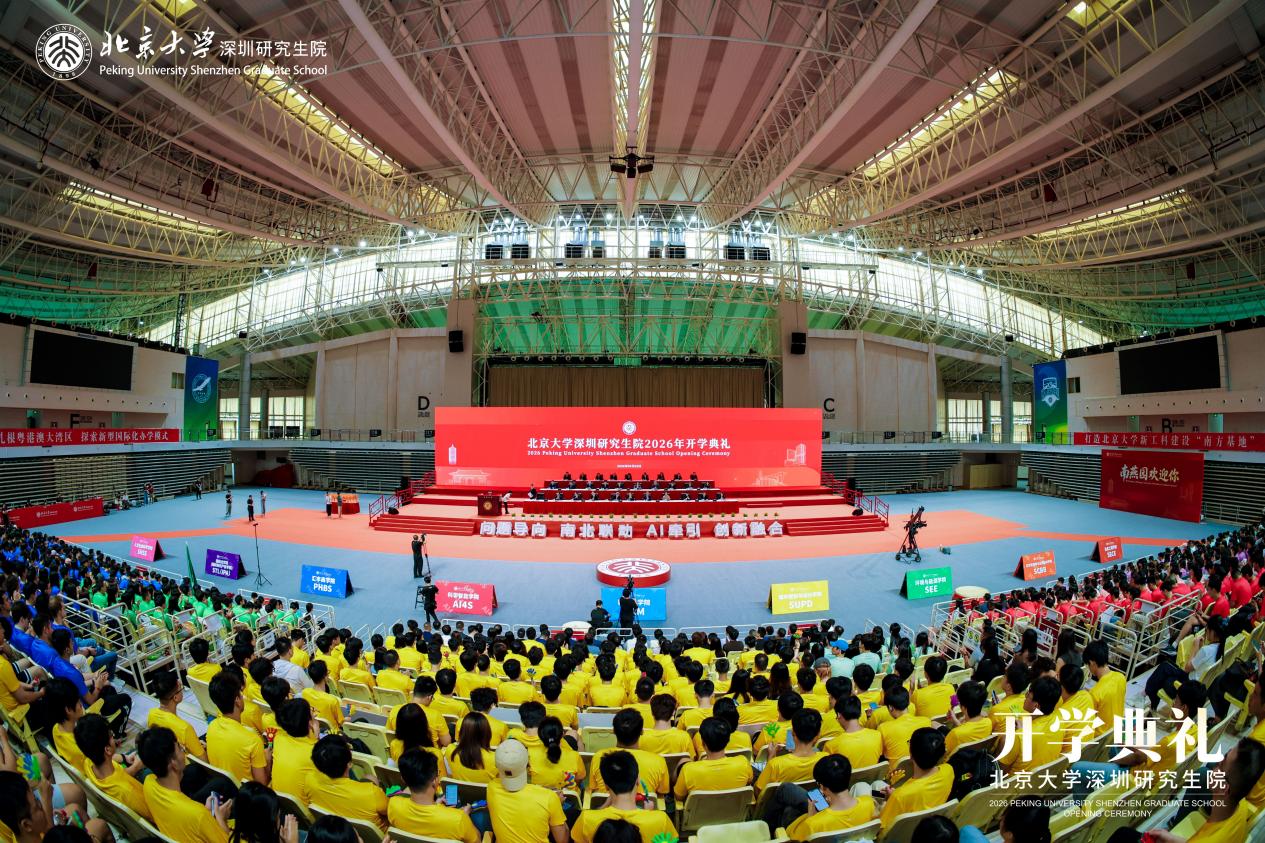
Kerem on opening ceremony at PHBS
It begins with his name—Kerem Akdaş, known to many by his Chinese name 马彦清(Ma Yanqing), a meaningful and authentically crafted name that sets him apart from many international students in China. Now 25, he is a dedicated learner who has studied Chinese for five years, able to express himself fluently in coherent sentences and phrases. Yet by his own account, before 2019 he was someone who “didn’t even know how to use chopsticks.” What first connected him to the Chinese language and culture was an international volunteering experience.
Before starting his undergraduate studies in the Netherlands, Kerem spent two months participating in a volunteer program focused on sustainable development goals. Originally hoping to work in animal conservation, he instead found himself in Morocco by chance, teaching Turkish and English to underprivileged children in Casablanca. There, he met his first like-minded Chinese friends—conversations flowed naturally, and they clicked instantly. Though those two months passed quickly, the friendships endured. And what stayed with him upon returning to Turkey was a growing interest in continuing to learn Chinese and explore China’s culture.
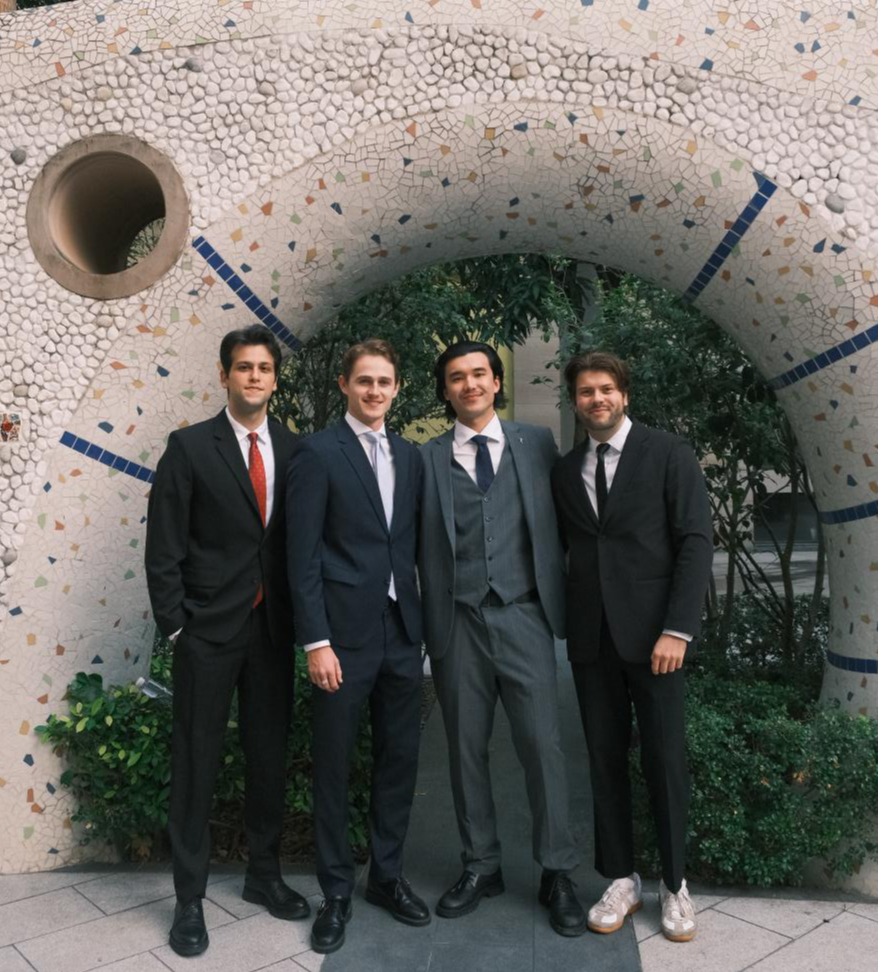
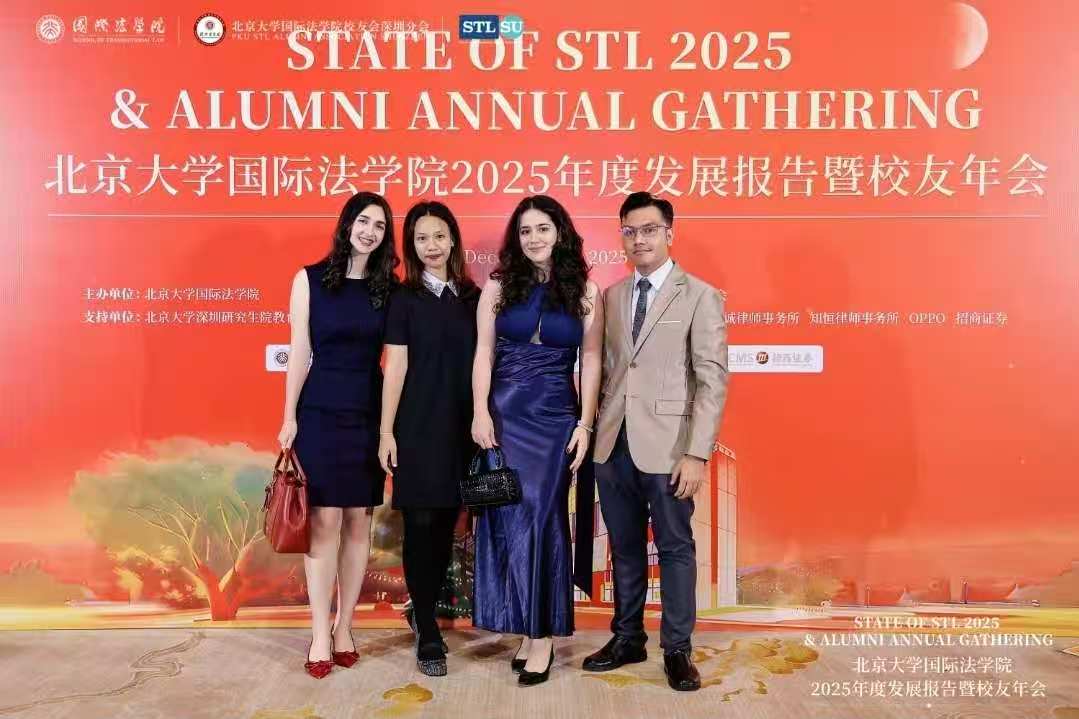
Kerem(first from left) with classmates.
His Chinese learning journey began with history and gradually expanded into philosophy, literature, and beyond, leading him to read widely. Even the pandemic did not dampen his passion for studying Chinese—through online learning, he quickly grasped basic communication skills. It was during this time that he also received the first character of his Chinese name, "Ma" (马), as his first Chinese teacher shared this surname.
As for the second character, "Yan" (彦), it is inspired by a line from the Book of Documents: “旁求俊彦,启迪后人(Seek extensively for the wise and talented to guide and enlighten future generations).” The third character, "Qing" (清), draws from the Tao Te Ching: “天得一以清(Heaven attains purity through the One).” These two deeply meaningful characters also echo the notions of “generosity” and “purity” embodied in his Turkish name. Choosing these two characters from the vast canon of Chinese classics stems from Kerem’s love for philosophy and literature since high school.
From the Records of the Three Kingdoms to the Zhuangzi, from the Tao Te Ching to the Book of Documents, reading English translations did not lessen his resonance with these texts—instead, it drew him deeper into the worlds of philosophy and history. His favorite philosopher is Zhuangzi, whose perspective—epitomized in the saying “You are not a fish; how do you know what brings joy to fish?”—resonates with him deeply. His favorite dynasty is the Tang. It could be said that even before arriving in China, Kerem had already become a genuine Sinophile. What later deepened his connection with China, however, was his work at Shein.
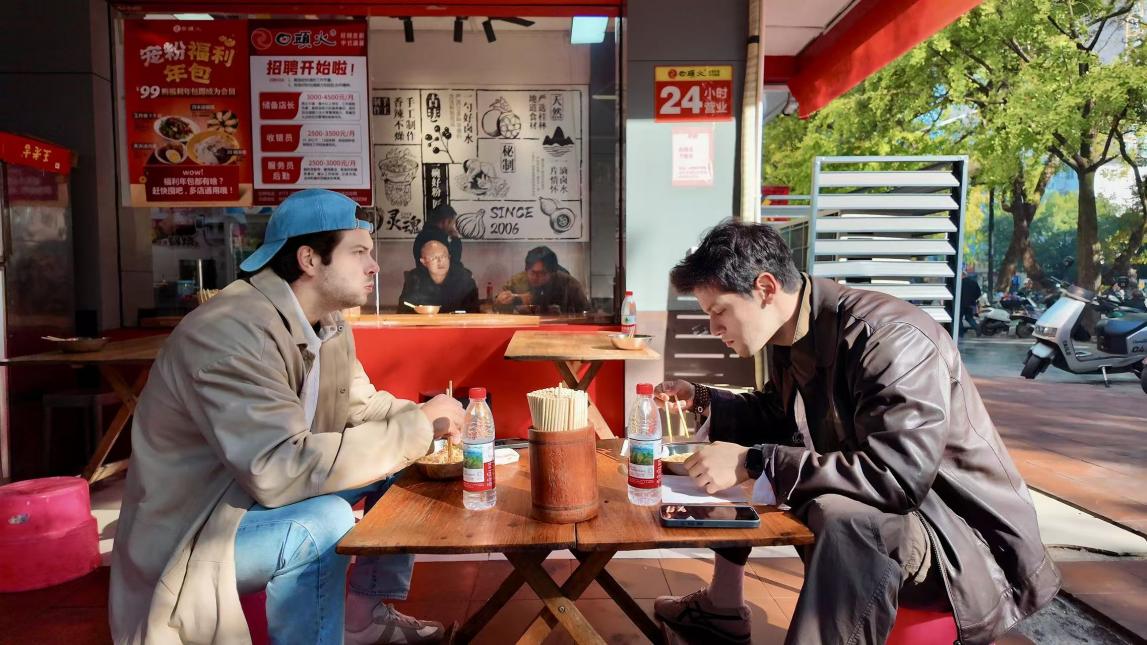
Kerem savors local life in China
Reflecting on his time at Shein, Kerem recalls it vividly. After joining this global Chinese company in 2023 as a junior business analyst, he quickly adapted to its dynamic pace and embraced the intense work rhythm. As the only member on the team fluent in both English and Turkish, capable of communicating work matters in Chinese, and possessing a deep understanding of both cultures, he naturally became a bridge between East and West. Starting with data analysis and gradually taking the lead on cross-border projects, he was independently managing initiatives within just six months. This led to his assignment to Guangzhou—marking his first time setting foot in China after five years of studying the language.
Two months of working on the ground gave him a tangible sense of “China speed”: the rapid response of supply chains, the efficiency of team execution, and the frequent market iterations all reshaped his understanding. Notably, in his eleventh month, he spearheaded a global strategic project involving 1P to 3P models and began managing a ten-person team, earning strong recognition from his superiors.
Speaking of this period, Kerem’s eyes gleam not with nostalgia, but with the spirited ambition unique to youth. “I still remember when I first joined at just 22—my supervisors and colleagues knew me simply as ‘that young guy,’” he says. Perhaps few expected that this newcomer would stir a wave of youthful energy at Shein in just a year. This experience not only allowed him to witness firsthand the resilience and agility of China’s business ecosystem but also deepened his understanding that behind “China speed” lies a culture of high collaboration, data-driven efficiency, and acute sensitivity to market shifts.
Just four days before beginning his master’s program at Peking University Shenzhen Graduate School, he chose to resign. Yet this period of intense growth solidified his confidence in navigating cross-cultural business challenges. When asked about the core reason behind his bold decision to leave his job and return to studies, Kerem’s answer is simple: “Always trust yourself unconditionally.”
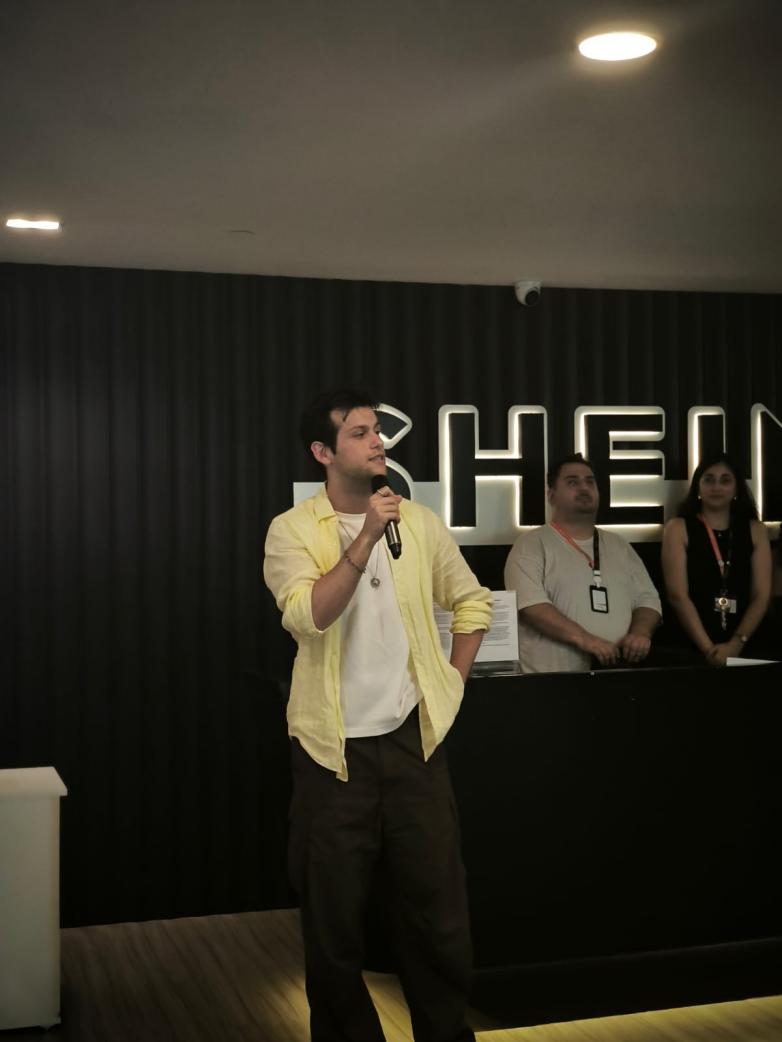
Kerem working in Shein
Today, Kerem’s life has settled into a classic “double-duty mode”: while pursuing his Master’s in Management at PHBS, he continues to participate remotely in supply chain-related project coordination, with a particular focus on promoting business connections between China and Turkey.
When asked how he manages his time and energy, he appears calm and pragmatic. “Many people actually underestimate the amount of time they truly have at their disposal,” he says with a smile. Currently, he maintains a routine of studying for about 10 hours and working for 6–7 hours each day. He wakes up at 5:30 am, first dedicating himself to focused work in an undisturbed environment, and rests around 10:30 pm, making time for the gym in between. In his view, the approach is quite simple—“just do it”—but the key lies in executing it with clear self-planning and high self-discipline.
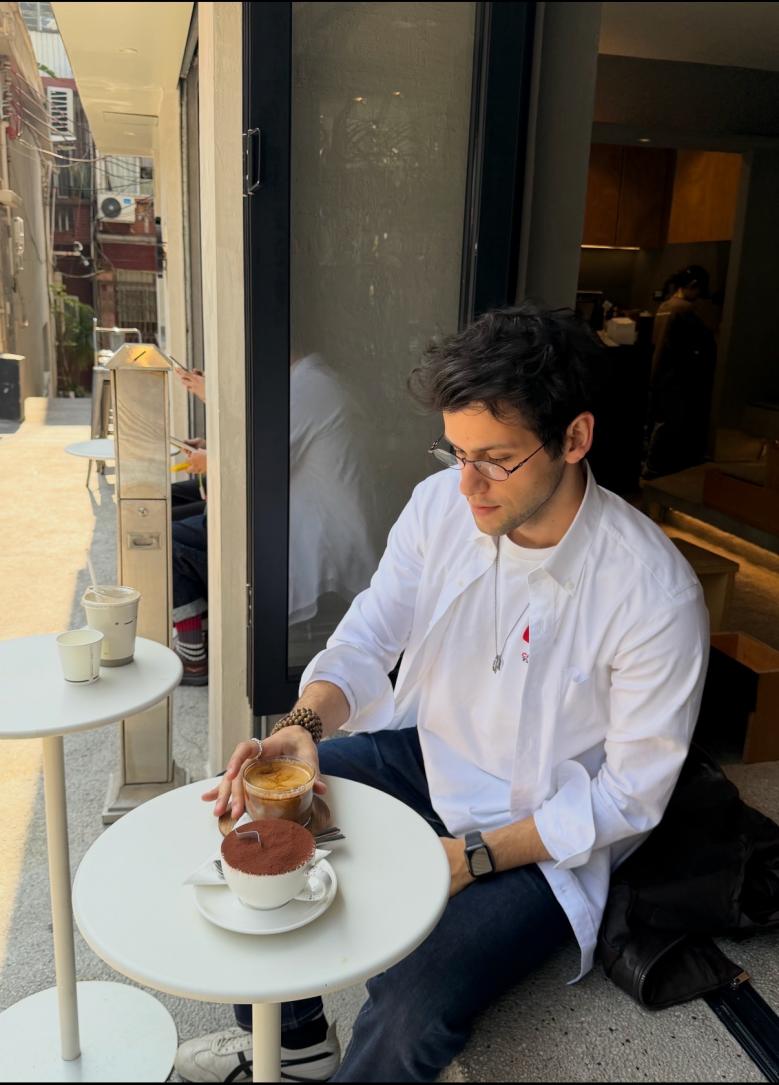
Kerem’s coffee time
Of course, this rhythm comes with its own set of challenges. Living in Shenzhen, he admits the city has a "relatively thin cultural atmosphere and not many friends," but its efficiency and tech-driven vibe resonate strongly with his work—which is precisely why he chose PHBS with the city in mind. The supply chain projects he engages in often require building bridges between China and Turkey, testing his cross-cultural communication and multitasking abilities at every step, from raw material procurement and logistics coordination to cross-border settlements.
Yet, it is precisely within this "double-duty" mode that he has found unique rewards: academic theories are quickly validated in real business scenarios, while practical problems from work, in turn, drive deeper reflection in the classroom. He reflects that this cycle of "applying what he learns and deepening learning through application" has not only helped him better understand the operational logic of China's supply chains but has also given him a more multidimensional perspective on the complexities of globalized business.
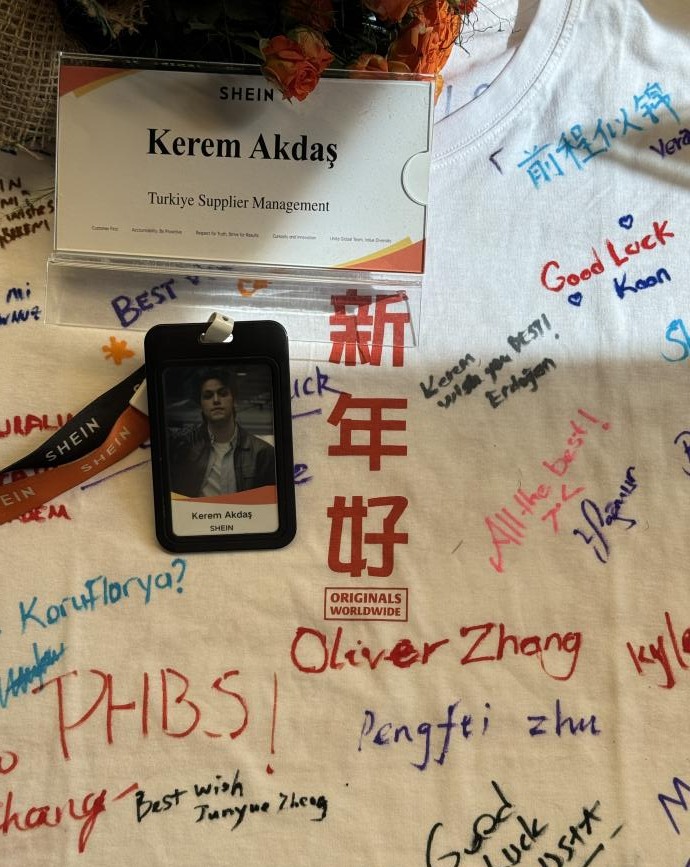
Kerem’s colleagues' farewell messages when he leaving Shein
Beyond academics and career, there is a chapter of public service in Kerem's life that remains unforgettable—after the 7.5-magnitude earthquake struck Turkey in 2023, he resolutely joined the volunteer efforts of China's "Blue Sky Rescue Team." This profound experience further deepened his connection to China.
At the time, he was working in the UK. Upon seeing a recruitment notice on social media that the rescue team urgently needed Chinese-Turkish translators, he signed up without hesitation despite being fully aware of the risks of entering a disaster zone. For eight full days amid ongoing aftershocks and perilous conditions, he took part in the rescue operations. During that period, team members slept only about three hours a day, working in shifts to assist with communication and coordinate supplies. Kerem witnessed firsthand how these rescuers from a foreign land operated with remarkable organization and professionalism, continuously searching for signs of life in the rubble.
That glimpse of "blue" appearing amidst the ruins brought renewed hope for survival to the devastated nation and left an even stronger impression on Kerem about China and its people. "These Chinese rescuers were not Turkish, yet they came voluntarily and at their own expense to an unfamiliar country with a pure sense of purpose," he recalls, still visibly moved. He remembers every face from the East and still cherishes the images and memories of fighting side by side.
In brief moments of rest during the rescue, hearing the language that had long become familiar to him felt especially intimate. Two nations with shared experiences thus illuminated each other in the cold night. This chapter taught him how humanitarian spirit and efficient collaboration across borders can ignite a glimmer of light in the darkest hours. It also gave him a deeper, weightier understanding of what it means to "volunteer"—not merely goodwill, but the ability to act with calm, professionalism, and courage in the face of crisis.
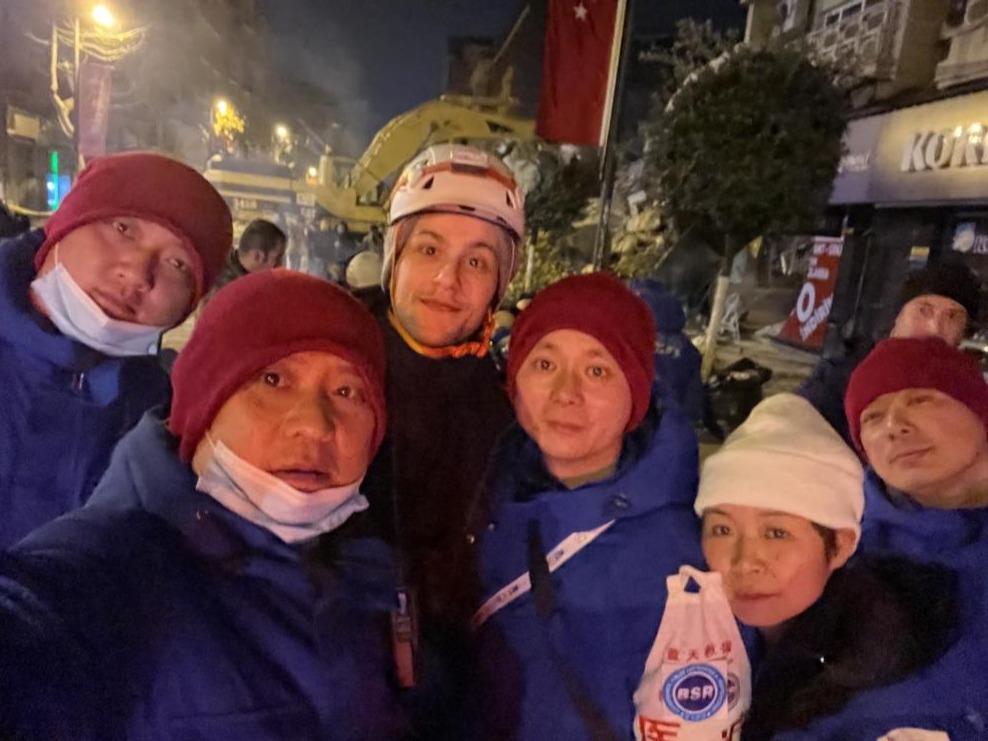
Kerem and Blue Sky Rescue Team members
As a social media influencer with a substantial following on Rednote, Kerem’s video content is rich, down-to-earth, and reflective of his own thoughtful perspective.Regarding social media, he views his active presence on Rednote and Instagram as two distinct areas: Instagram serves more like his digital photo album—a space to casually capture moments and impressions—while Rednote is more deliberate and planned. For him, it is not only a way to accumulate experience for future entrepreneurship but also a corner where he can share glimpses of authentic life in China with his followers. What he hopes to present is not a simplified, filtered image, but the daily reality of an international youth who is disciplined, focused, and has come to genuinely understand China through five years of consistent learning and living.
This understanding is inseparable from his fluency in Chinese. For him, learning Chinese has been far more than acquiring a practical tool—it is an ongoing and joyful exploration. Especially after overcoming pronunciation barriers and gaining the confidence to express himself naturally, he feels that "language and social understanding progressed hand in hand." Chinese has not only cleared professional obstacles for him but also enabled a deeper cultural integration, erasing any sense of distance.
His experience at Shein further allowed him to appreciate the efficiency, data-driven decision-making, and results-oriented mindset prevalent in China’s business environment—a stark contrast to the outdated stereotype of “reliance on connections” that still persists in some traditional perceptions. Therefore, when foreign friends or family hold misunderstandings about China, he never rushes to argue. Instead, he "honestly shares his experiences," using stories from his own life—such as the modernity of Chinese cities paired with the breathtaking beauty of its natural landscapes, or the professionalism and speed displayed by companies like Shein—to present a balanced, multidimensional, and genuine portrait of contemporary China.
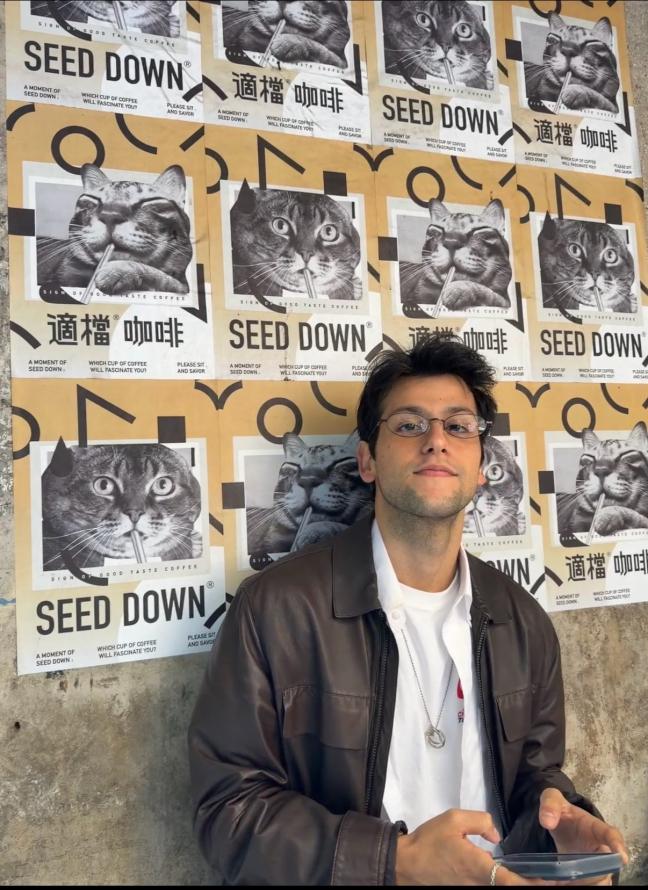
Kerem’s spare time
Looking ahead, Kerem aspires to become a bridge that is “natural and unforced”—one that not only fosters mutually beneficial cooperation between China and Turkey, the Netherlands, and even Europe on a commercial level but also helps more Turkish people understand Chinese culture, as he deeply feels the two nations share many historical and spiritual commonalities.
For younger aspirants inspired by him and aiming to study at the Peking University Shenzhen Graduate School, he offers three simple yet sincere suggestions: carefully review the course syllabus to clarify your academic direction; actively communicate with current students or alumni to understand the real academic and professional demands; and mentally "prepare yourself to embrace challenges."
When asked to summarize his time at Peking University and in Shenzhen in one sentence, he reflects for a moment and replies, "This period of high self-discipline and intense rhythm has allowed me to mature rapidly and truly step into the depths of China." For him, time management is no longer just a method—it has become a profound life philosophy, one that now supports him as he steadily moves toward becoming that natural yet solid bridge connecting East and West.
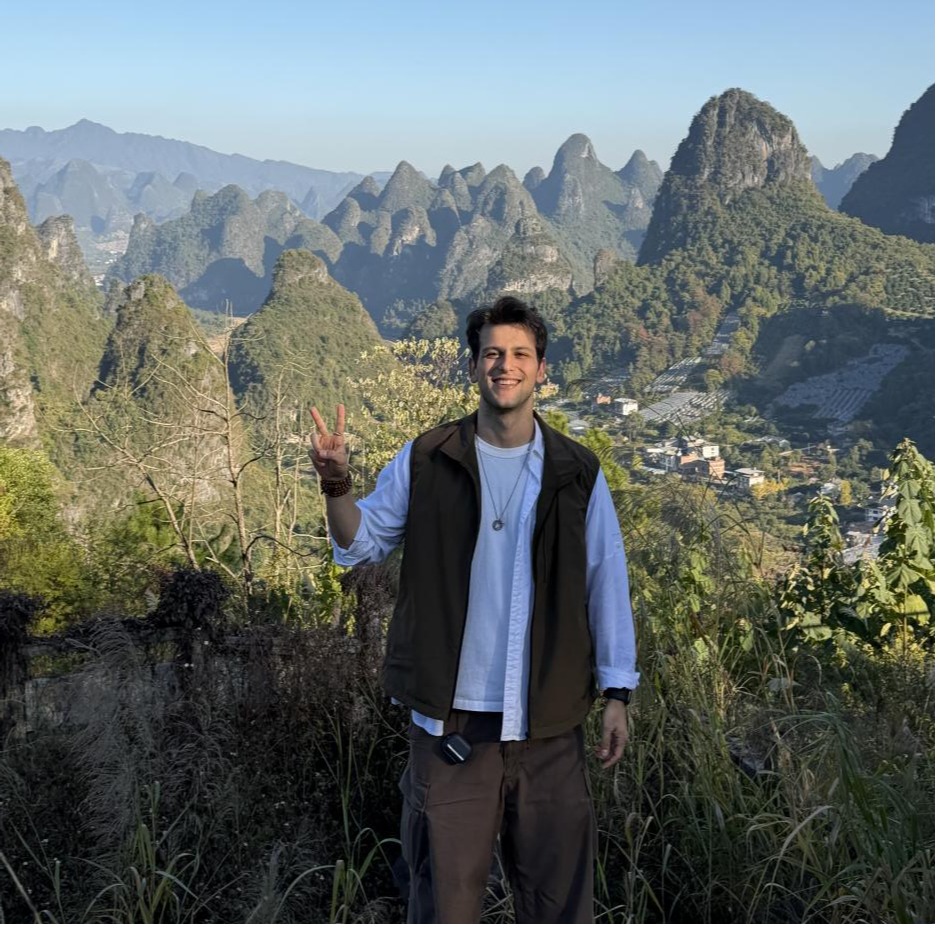
Kerem immerses himself in the mountains and rivers of China