This article was published on Amazing Shenzhen. (https://www.amazingshenzhen.com.cn/content/2026-05/22/content_32061178.htm)
My story does not begin in a classroom.
It begins in transit — airports, high-speed trains, taxis racing between meetings.
As a legal assistant for a Vietnamese enterprise dealing directly with Chinese clients across multiple provinces — Beijing, Tianjin, Xiamen, Shanghai, Hangzhou — China was a blur of movement for me. Each trip lasted barely a day. Most of the time was spent in motion.
But something stayed with me.
“I have to be honest — I loved the food,” I say, laughing. “I always looked forward to the meals.”
Between meetings, I discovered something unexpected: each city tasted different. Different flavors. Different cooking styles. Different rhythms of life.
Those brief meals planted a quiet question: What would it be like to slow down and truly experience China?
Later, clients inspired me with the idea of pursuing further studies in China, a country known for its highly competitive and rigorous education system. This time, it felt less like curiosity and more like direction.
Studying in China, I realized, would not only expand my credentials — it would allow me to understand a country that was already shaping my professional future.
A City of Contrasts
When I arrived in Shenzhen, the contrasts were immediate.
On campus, delivery drones buzzed overhead — not as spectacle, but as infrastructure. What once seemed futuristic had become ordinary.
“At first I thought, ‘What do I do here?’” I recall. “Then you realize — this is just normal life. And that’s fascinating.”
Yet beyond the technology, Shenzhen offered something else: stillness.
Unlike the crowded beaches I had visited elsewhere in Southeast Asia, Shenzhen’s long coastline offered space. Quiet. Perspective.
“You can sit there all day,” I say. “Order a drink. Watch the water. Just think.”
The city’s rhythm — fast innovation, quiet coastline — mirrored my own transition from visitor to resident.
Finding My Footing
Adapting was easier than I expected.
With translation functions integrated into WeChat and Alipay, daily life — transport, dining, payments — became seamless.
“You don’t even need to speak Chinese to live comfortably,” I say. “The apps make everything accessible.”
But being Vietnamese brought unexpected cultural moments. Because of my Asian features, restaurant staff often assumed I was local — until I couldn’t respond in Chinese.
“Then my Australian friend would step in,” I laugh. “It was always confusing for them.”
Yet these moments were rarely uncomfortable. More often, they ended with patience and warmth.
“Take your time,” people would say.
Over time, those small gestures shaped my understanding of contemporary China: technologically advanced, but deeply human.
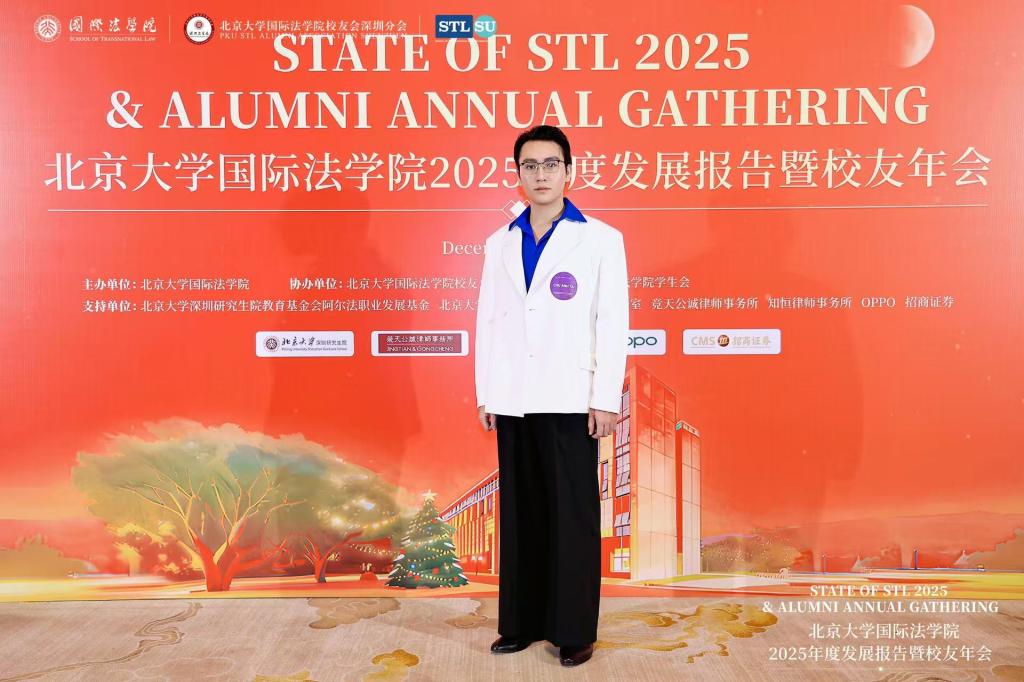
Nils' personal photo
A Test of Resolve
If adapting to Shenzhen was smooth, getting there was not.
The degree authentication process nearly derailed my plans.
“I failed five times,” I say plainly. “The sixth approval came on the last day before the deadline.”
I sent nearly sixty emails. Each reply was automated. Each step felt out of my control.
When my parents asked whether I would actually make it to China, I had no answer.
A phrase I once considered motivational wallpaper became something else entirely: Believe you can, and you’re halfway there.
It stopped being abstract.
It became survival.
Why China. Why Law. Why STL.
My decision to pursue law in China was not romantic — it was strategic.
I had worked in a company where 90% of clients were Chinese manufacturers and exporters. Even before that, I had drafted contracts, negotiated terms, and collaborated with Chinese partners.
One reality became clear: Vietnam and China are deeply economically intertwined, yet there are far too few lawyers who truly understand both legal systems.
That gap — between demand and expertise — defined my opportunity.
I did not just want to practice law.
I wanted to become a bridge.
When researching Peking University School of Transnational Law, I looked beyond rankings or reputation. I examined faculty profiles, international training backgrounds, professional experience, and classroom structure. Many professors had studied or practiced in U.S. law schools. Others brought experience from multiple jurisdictions.
Then I turned to STL’s YouTube channel. Student testimonials. Lecture clips. Conference recordings.
“It wasn’t just about importing knowledge,” I explain. “It was about exchanging experience.”
What convinced me most was STL’s integrated curriculum — Chinese law taught alongside American common law. A civil law graduate like myself was now immersed in precedent-based reasoning, case analysis, and comparative thinking.
“This comparative approach,” I say, “is exactly what cross-border lawyers need.”
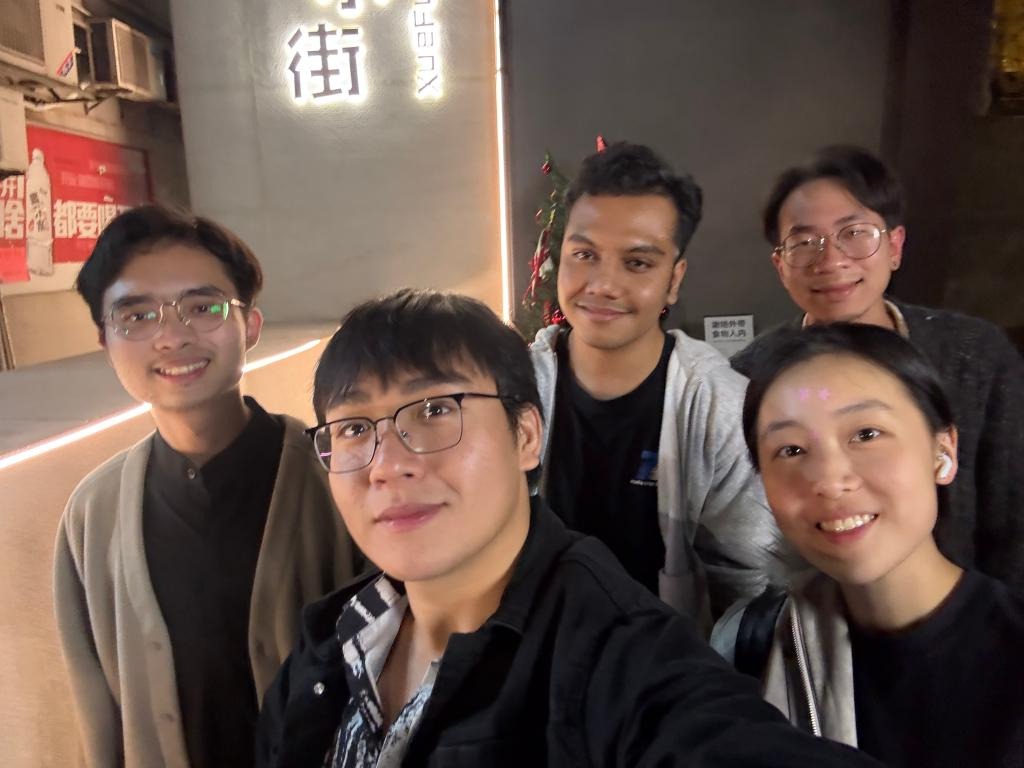
Nils with his friends
Learning Across Systems
In class, I discovered that some of the most valuable lessons came not from textbooks, but from discussion.
Chinese students analyzing American doctrine.
Latin American classmates comparing regulatory models.
European peers referencing treaty frameworks.
Southeast Asian perspectives revealing legal gaps.
One energy law discussion stood out. Different regions approached similar regulatory challenges through entirely different legal structures. Larger economies often shaped global norms. Smaller jurisdictions adapted.
I realized we were not just studying law.
We were studying power, structure, and global dynamics.
Even listening, I say, was transformative.
“You see how the same issue looks completely different depending on where you stand.”
For someone planning a cross-border career, this environment was not theoretical — it was preparation.
From Adaptation to Contribution
Now settled, I have shifted from adjustment to action.
I am helping organize the ALSA International Mediation Competition 2026 as a Co-Chair, drawing on my years of volunteer leadership experience in Vietnam, where I worked with nearly a thousand students.
“I love working with the younger generation,” I say. “Not to give them answers — but to help them see what they’re capable of.”
That philosophy mirrors my own journey.
STL is no longer a destination.
It is a platform.
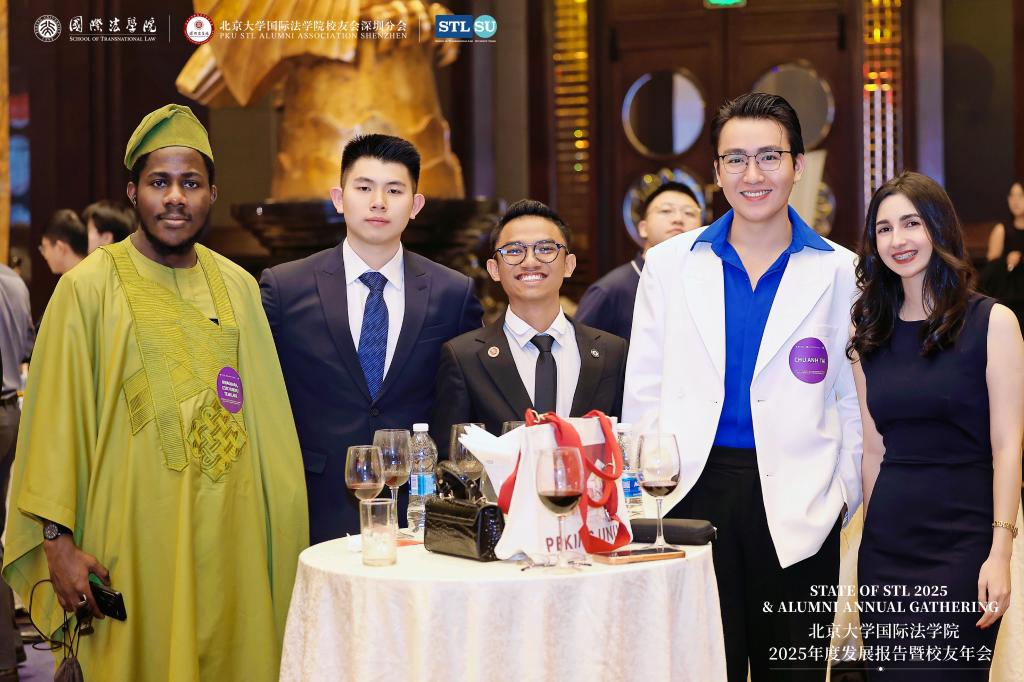
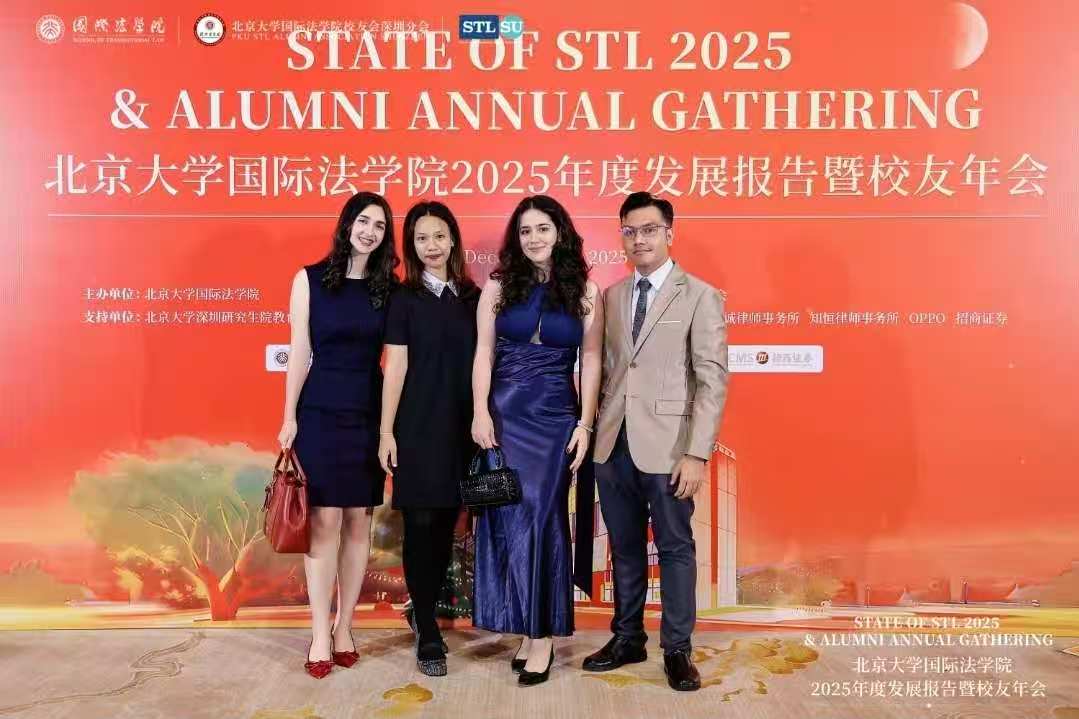
Nils was present at the STATE OF STL 2025 and Alumni Annual Gathering.
A Broader Horizon
Looking back at my earlier internships in Vietnamese courts, procuratorates, and non-profits, I now see the profession differently.
Vietnam, like China, follows a civil law tradition. At STL, I am immersed in common law reasoning — where precedent shapes doctrine and judicial interpretation plays a more expansive role.
This shift has sharpened my research.
I am currently examining Direct Power Purchase Agreements (DPPAs), comparing U.S. and EU and Vietnamese legal frameworks. The analytical tools I have developed — structured argumentation, comparative analysis, critical reasoning — allow me to approach complex regulatory questions with confidence.
STL has expanded not only my knowledge, but my imagination of what legal work can be: lawyer, arbitrator, mediator, scholar.
Life Beyond the Classroom
Shenzhen itself has become part of my education.
The city’s digital efficiency, infrastructure, and “can-do” spirit left a deep impression. Paying utility bills from my dorm room felt easier than similar processes I had experienced in parts of Europe.
Classes begin at 9 a.m. — a welcome change from 6:45 a.m. starts back home.
And geographically, Shenzhen is close to Vietnam. That proximity offers both practicality and emotional reassurance.
“It makes everything feel connected,” I say.
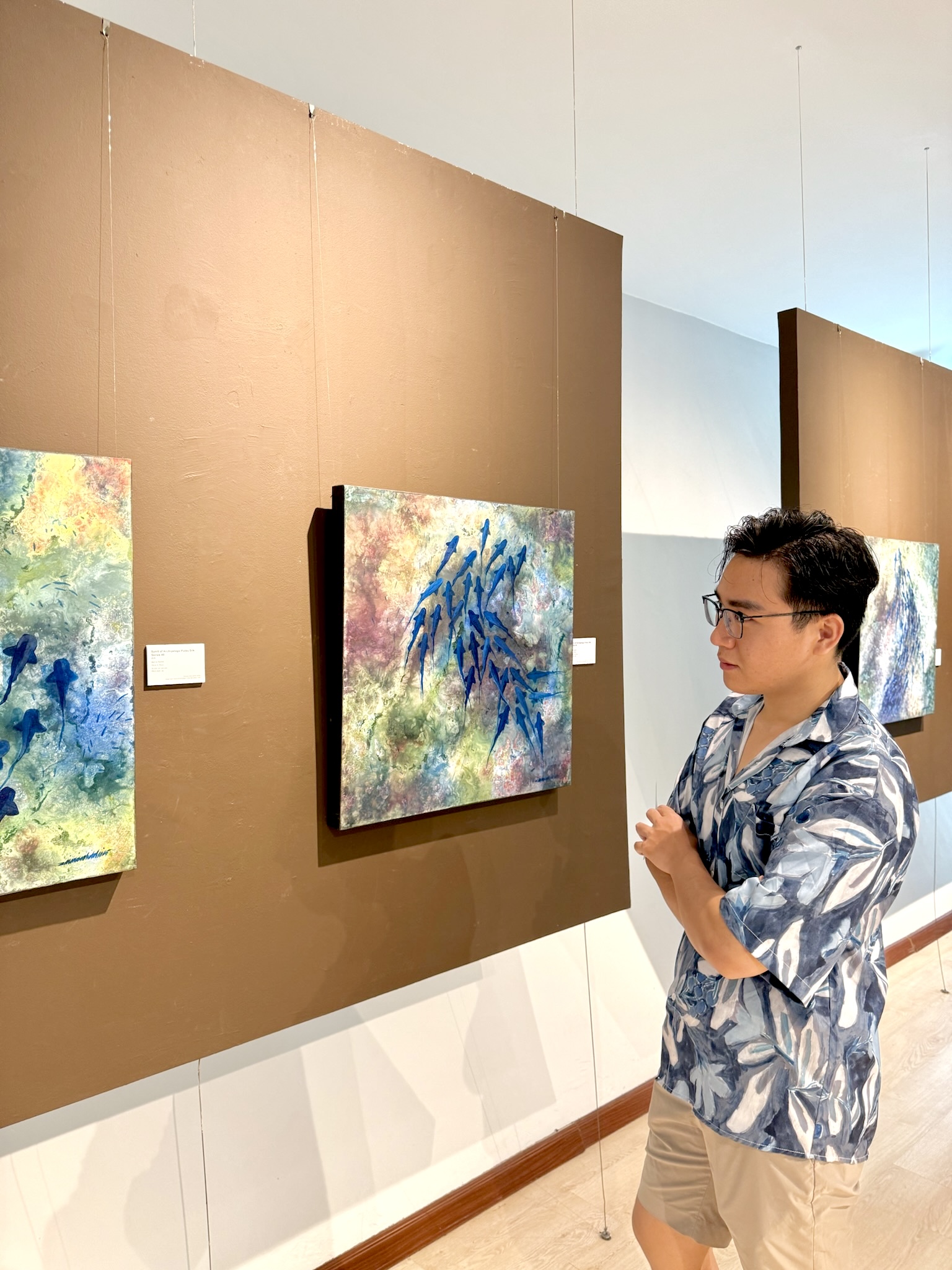
Nils at art museum
Looking Ahead
After graduation, I plan to return to Vietnam and pursue a dual path.
In academia, I hope to begin as a lecturer and eventually earn a Ph.D. In practice, I am drawn to arbitration and mediation — emerging fields with growing regional demand across ASEAN.
My transnational legal training, I believe, will be my distinctive strength.
“This LL.M. is not the end goal,” I say. “It’s the first step.”
A Journey Still Unfolding
From rushed business trips to reflective beach days.
From automated rejection emails to acceptance on the final deadline.
From observer to bridge-builder.
I came to China curious.
I leave not only with a degree, but with a broader horizon — and a clearer sense of who I am becoming.
For lawyers seeking not just a qualification, but perspective — not just knowledge, but transformation — my journey offers a glimpse of what is possible.
Written by Zhan Jiayi, Sun Jiayi
Story by Chu Anh Tài