When 21-year-old Hungarian Szabolcsi Gergő stood at Shenzhen Bay, gazing at the forest of skyscrapers shaping the skyline on the opposite shore, what he felt was not the alienation of a foreign land but a curious "chemical reaction." As a Master of Management student at the class of 2025 of Peking University HSBC Business School and a young entrepreneur, the 21-year-old embodies both the vitality of youth and a maturity beyond his years. In Gergő’s own words, this is "the result of the lifestyle I have chosen and love."
Efficiency and Order: A Hungarian Young Man's "Shenzhen-Style" Life
The meeting with Gergő began with a strict respect for time. The interview had to be scheduled weeks in advance—a glimpse into the order of his life. He meticulously plans his week, waking up at 7 a.m. for "8 a.m. classes," spending afternoons fueled by coffee, and seamlessly juggling studies, international business, and communication with family. This efficiency aligns perfectly with the pulse of Shenzhen.
"In fact, how my day unfolds is probably planned a week in advance, which has helped me develop strong time-management skills," Gergő explained, instinctively glancing at his watch. "Generally, I wake up at seven, have class at 8:30, rely on coffee in the afternoon to stay alert, balance my studies with running my company, and always stay in touch with family and friends back in Hungary. I usually go to bed around midnight." While many complain about early morning classes, he embraces them as an anchor for a disciplined routine. "Most of my classes this semester are at 8 a.m., which actually helps me maintain a good schedule—why not?"For him, business and health come first, followed closely by studies and friends.
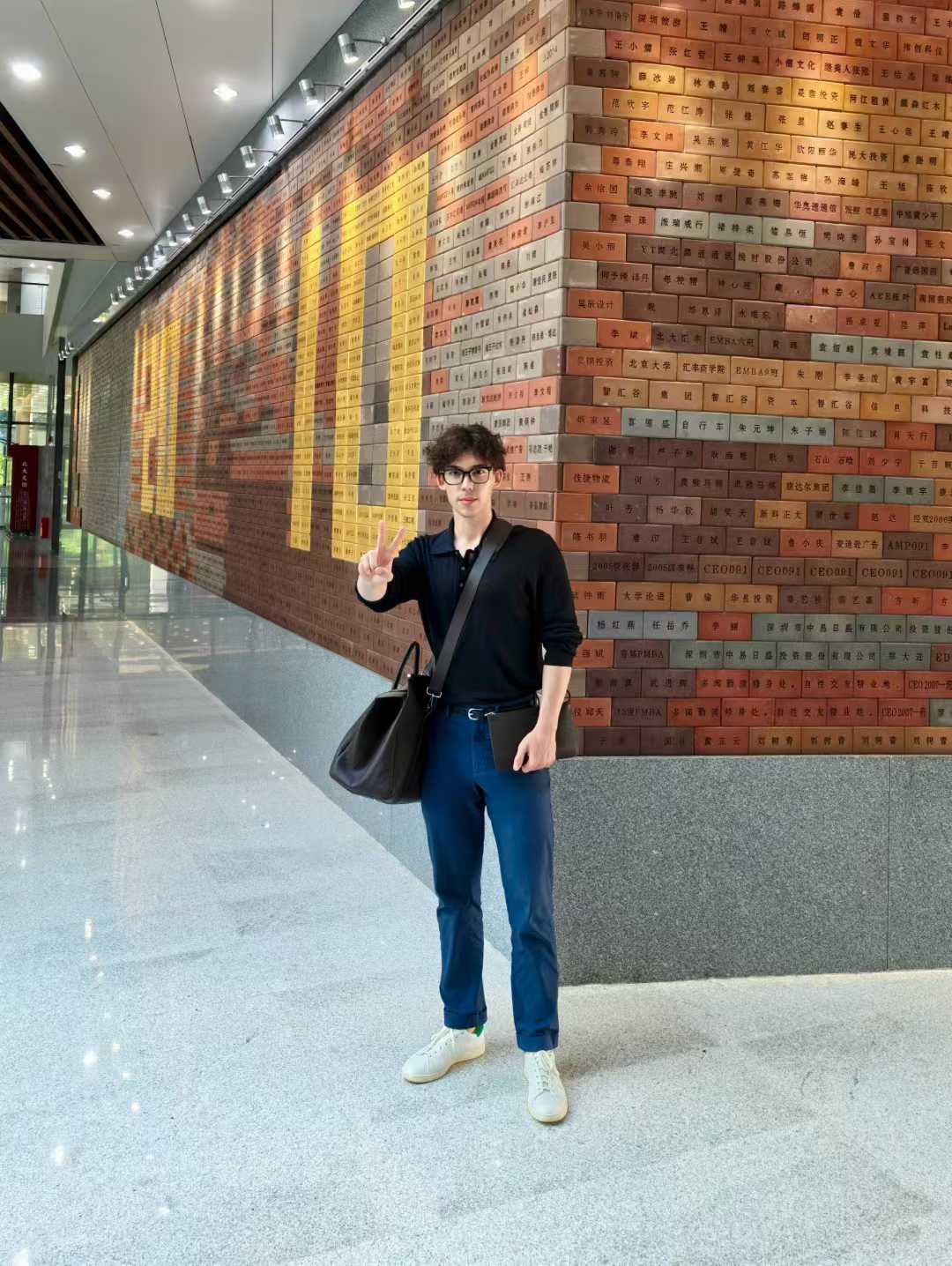
Gergő’s First Day of School
On Gergő’s social media accounts,traces of deep reflection and love for China are everywhere. He sums up his principles for interacting with others in five key values: honesty, transparency, kindness, responsibility, and discipline. When asked about conflicting principles, his response reveals a conviction beyond his years: "I would walk away from any situation that forces moral compromise."Though the answer may sound firm, he explains the reasoning behind it: “I always believe that good cooperation is built on a foundation where neither side has to compromise on their principles.If a specific situation requires me or my partners to sacrifice our values, especially of honesty or integrity, which I consider precious, then I’d rather step back and wait for the next opportunity."
From "Me" to "We": A Chinese-Style Awakening to Team Spirit
Graduating from Ludovika University of Public Service in Hungary with a bachelor’s degree in International Public Management, Gergő has developed his own perspective on balancing public relations and business efficiency. The curriculum at PHBS has equipped him with a distinctly Chinese lens. “I deeply identify with the core concept here—‘serving the people,’” he says.Whether in academic discussions or business practice, he firmly believes that the fundamental measures of a company’s success are two factors: “whether it puts people first” and “whether it creates real value for society.” When asked why a young man raised in Western culture would resonate so strongly with such Chinese principles and hold them as a guiding standard, he smiles: “That’s also why I’m here right now, sitting across from you.”
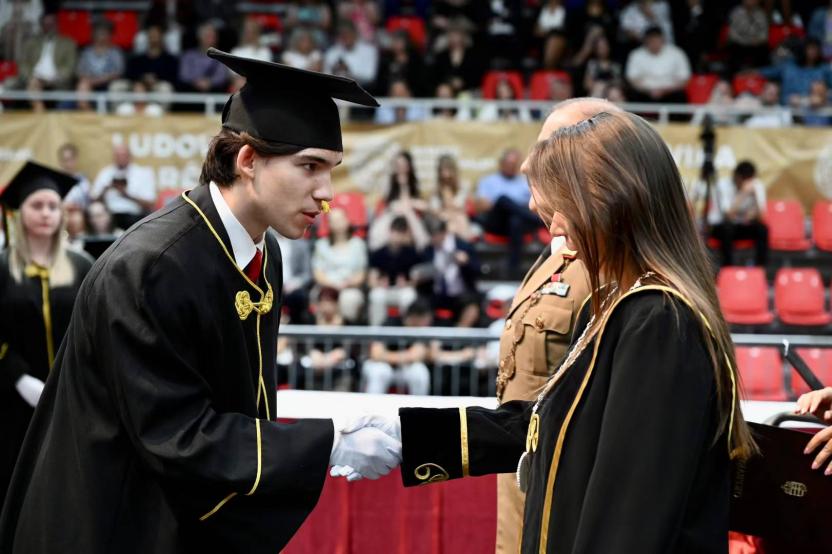
Gergő’s Undergraduate Graduation Ceremony
Back in the classroom, Gergő shares a moment that left a deep impression on him. Having received a Western education for most of his life, he initially found it challenging to adapt to the clearly defined, highly coordinated group work typical in Chinese classrooms. That was until a marketing class where, after the teacher assigned a task, he instinctively glanced at his group members, feeling a hint of concern about coordination. Then, a Chinese classmate stepped up.
This classmate quickly clarified the framework, assigned tasks, set a timeline, and in the days that followed, proactively checked on everyone’s progress, offered encouragement, and naturally took on greater responsibility—earning the trust and support of the whole group. Gergő, who was accustomed to planning everything on his own, was genuinely impressed. Since then, whenever he leads a group himself, he recalls that classmate’s example and strives to embody that style of leadership in his own way.
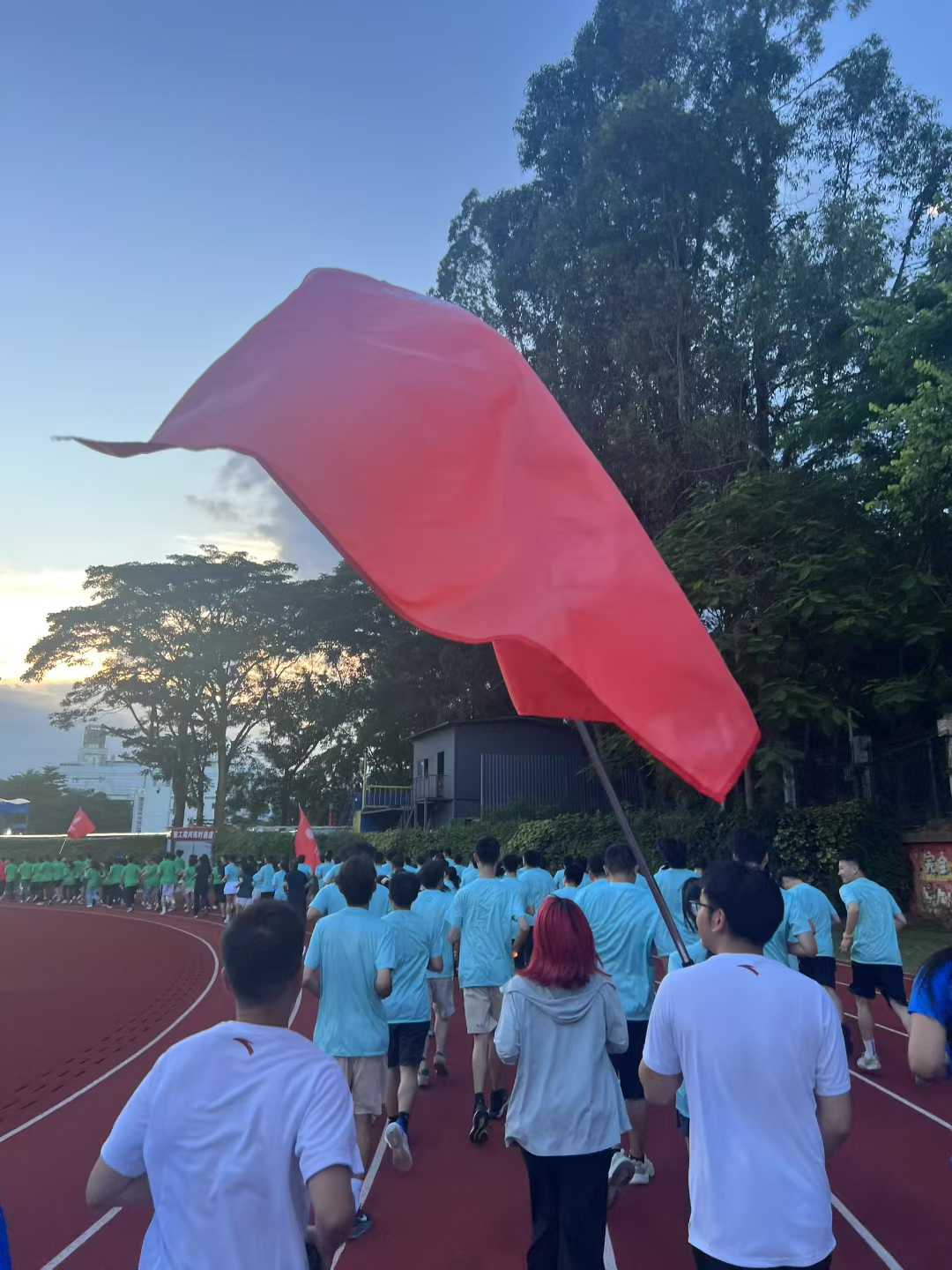
Gergő Participates in School Activities
“Here, there’s no ‘you’ or ‘me,’ no lone fighters—only teamwork and unity. This is something I truly admire, and I’ve come to love this way of collaborating,” Gergő explains. He integrates his own disciplined time management into team cooperation. When serving as a leader, he proactively aligns schedules with each group member, understands their recent commitments, and flexibly allocates tasks to ensure everyone can contribute within their capacity and complete the group assignment successfully. “I fully understand that everyone has their own plans and schedules. All my classmates are highly capable, and I completely trust that everyone has the ability to deliver excellent work.” It is precisely out of this trust and support that he strives to pave the way for his teammates in his own manner.
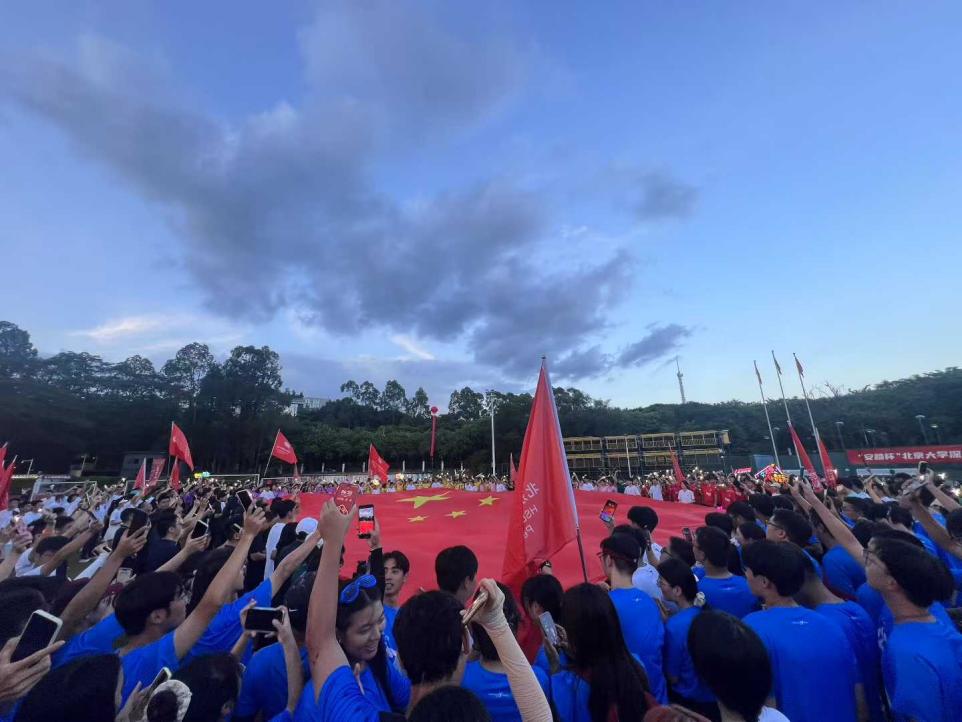
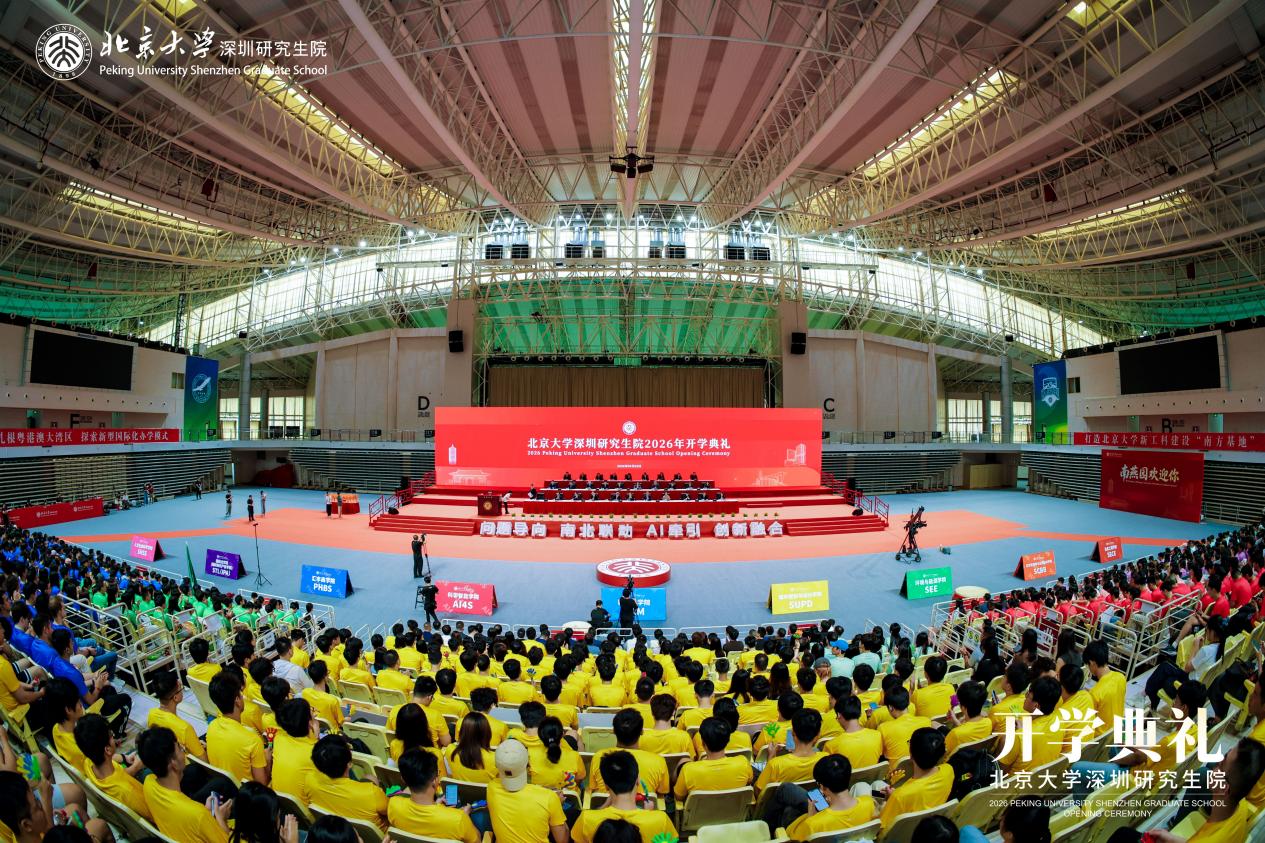
Gergő’s Photo of the School Opening Ceremony
To this day, he continues to take initiative in teams, much like that Chinese classmate once did, leveraging his strengths in coordination to work alongside his “comrades” and complete one successful group project after another. Gergő sums up his insights on teamwork in one sentence: “If you want to go fast, go alone; if you want to go far, go together.” Guided by a long-term mindset, he aspires to walk alongside his peers toward a future that is farther,steadier, and more meaningful
"Homecoming": Finding a Spiritual Habitat in Shenzhen
Gergő likes to call returning to China “returning home”—and home is now Shenzhen. Influenced by his father, who also has a deep affection for China,he began to work at the age of 15 and developed a strong interest for the country. During his undergraduate studies, he delved into China-related research, and his graduation project, A Study of Guangdong Province in the Process of Reform and Opening-Up, not only earned him his degree but also gave him deeper understanding of China,especially when he saw Shenzhen with his own eyes.
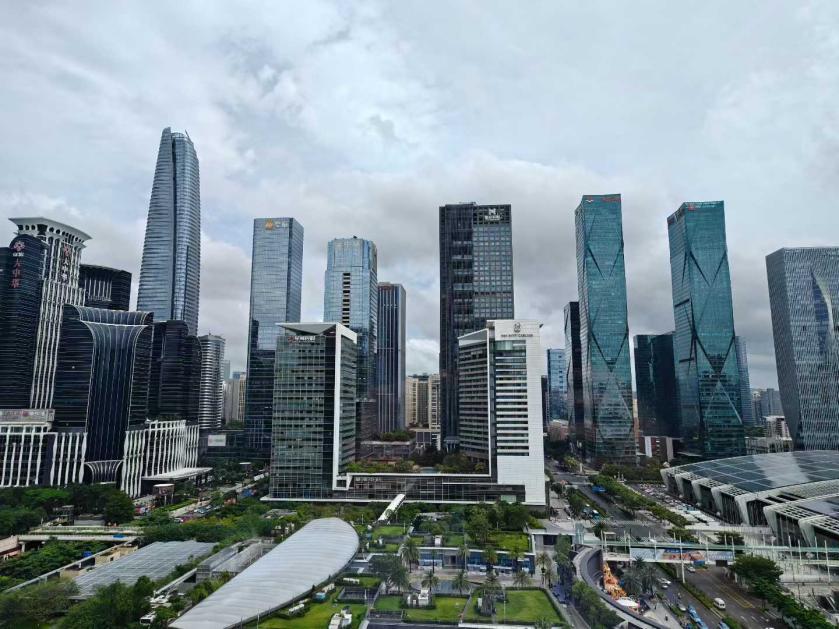
Gergő’s Captured Cityscape
“Back in Budapest, I heard about a ‘city of the future’ in China—a place shaped entirely by technology, unlike anywhere else.” Having traveled to cities such as New York, London, Paris, and Singapore, Gergő was still deeply amazed when he first landed at Bao’an Airport in July 2024. He describes Guangdong in three words: vibrant, hardworking, and fast-developing. When it comes to Shenzhen, his eyes light up: “From the 1980s to today, Shenzhen has turned many hypotheses into reality, using technology to transform lives. I can say with certainty that Shenzhen, and the Greater Bay Area as a whole, is the fastest-developing region in the world—a fertile ground for policy research, a model for urban development, and a pioneer in the speed of innovation. Shenzhen’s success has not only changed China but also influenced the world.”
In September of this year, through his efforts, he turned the city he once glimpsed during a brief visit into a place to put down roots. Here, he gazes at the skyline, admires drone shows, strolls through Shenzhen Bay Park, and feels the awe brought by modern technology. “I think there really is a kind of magical ‘chemical reaction’ between me and Shenzhen.” As for choosing PHBS, he says: “I came not only for the degree but also to draw inspiration from its unique development model. In the future, I hope to start a company that truly embraces social mission and shared value. Here, I am a student, but also an observer of the city, a researcher using academic resources to understand society, and a future manager dedicated to connecting China, Hungary, and the world.”
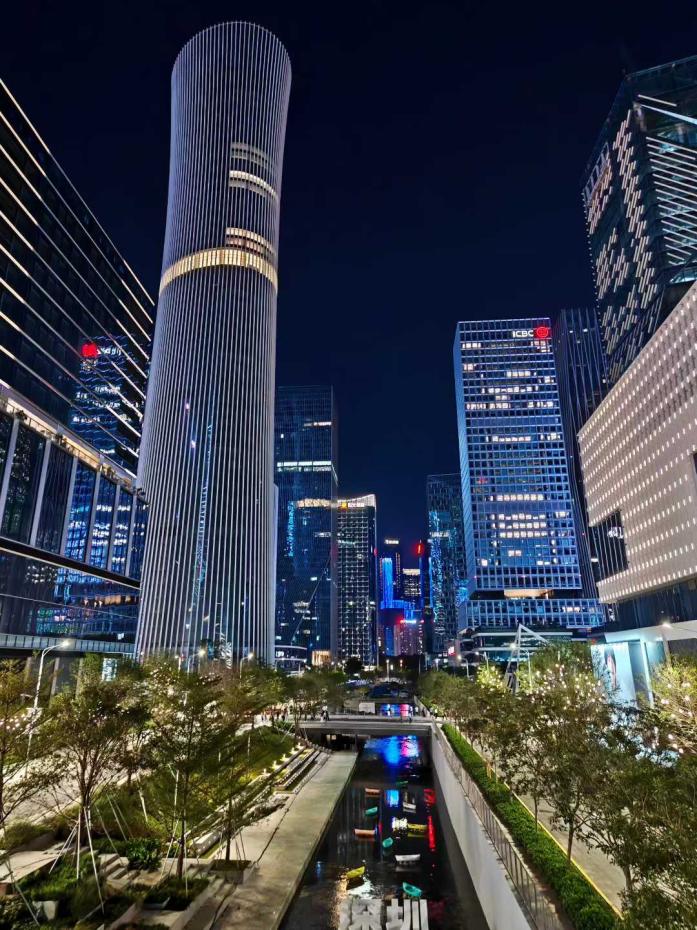
Shenzhen Through Gergő’s Eyes
Gergő is grateful for the resources and opportunities provided by the school and looks forward to the future with great anticipation.
Bridging East and West: From "Beijing Guide" to Cultural Ambassador
When discussing China and Hungary, Gergő admits the two countries are very different, but his goal is to build a bridge between them.He particularly admires China’s education model: “For example, the forward-looking AI courses, programming classes, and the progressive curriculum design at institutions like PHBS.” He firmly believes that progress comes from mutual learning and rejects zero-sum thinking. “I don’t even like the term ‘information gap.’ In group work, if sharing can create a win-win situation, why not do it? Even in competition, everyone should start on a level playing field.” He integrates this philosophy into action, striving to share the spirit of China with the world.
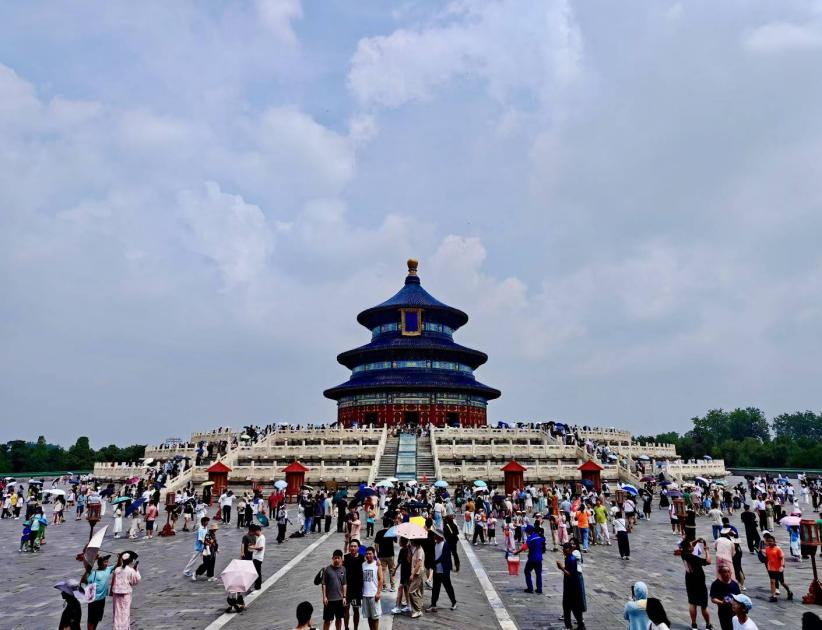
Gergő’s Photo of Beijing’s Temple of Heaven Park
In July this year, while attending an international trade conference in Beijing, he picked up an extra title: “Chinese cultural influencer”Many of the foreign delegates were first-time visitors whose expectations had been dulled by Western headlines. So Gergő took them to the Great Wall, drifted with them across the Summer Palace lake, and gazed down at the Forbidden City, letting his own lived stories speak for China. One of them blinked in disbelief: “How do you know this country so well?” He shrugged: “Because I love it.”
The moment Beijing etched deepest into him was a flag-raising.On his very first layover he reached Tian’anmen before dawn and found the square already swelling with people. In the hush, the national anthem cracked through the loudspeakers—soft at first, then soaring as the crowd joined in. Gergő had heard the melody before, but when hundreds sang it together his eyes stung. At the crescendo a streak of red split the skyline and climbed with the sun. “In that instant,” he says, “there were no passports, only people who want peace.” That unplanned morning became one of the unforgettable moments in his life.
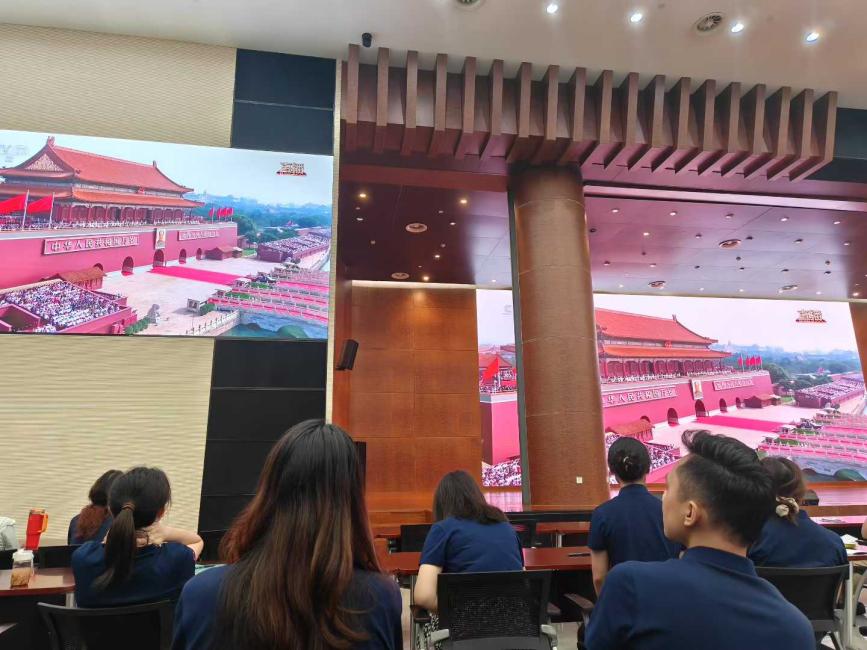
Gergő attended national day parade of PHBS
One experience in the hospital gave him a new perspective on China.Unsettled by the unadapted climate, he walked alone into Shenzhen University Hospital and met kindness he hadn’t expected. From volunteers who guided him, a streamlined system, to a doctor who explained every detail in English spiced with hand gestures,Gergő calls it “a story of mutual consideration”—each side learning the other’s language to bridge the silence.In a Chinese post he wrote: “What struck me was not only the speed,but also the goodwill. Real medicine puts people before profit.”
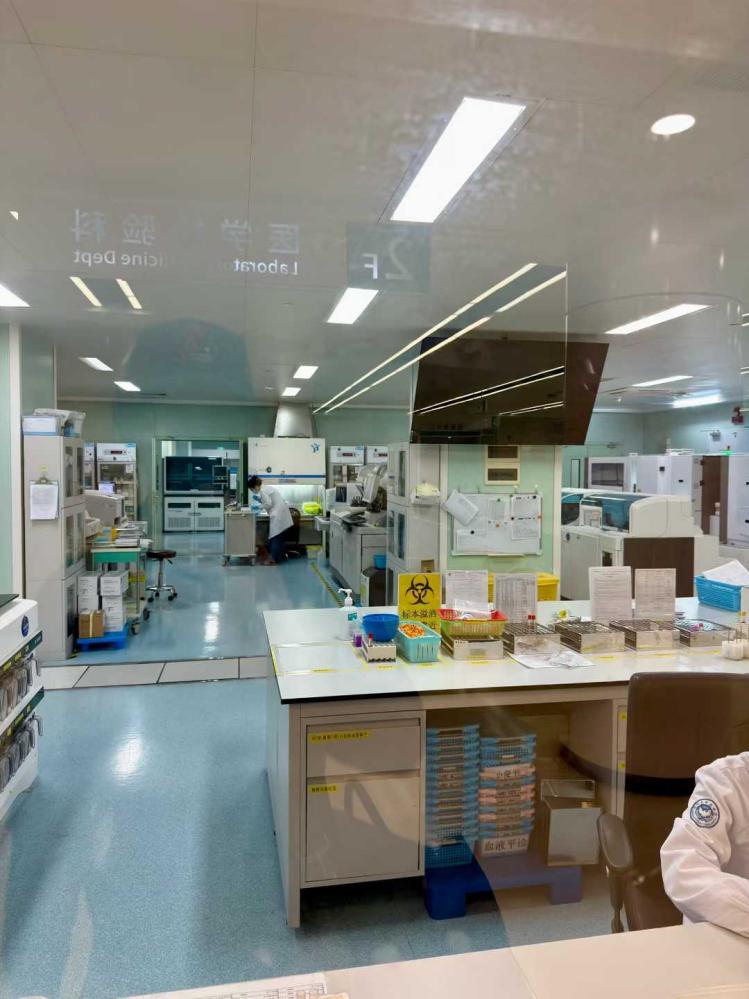
Gergő seeking medical treatment at the hospital
The key to unlocking social connections in China, for Gergő, is tea. His deepest encounter with tea culture was in Longjing,when he went with his father straight to the source of Longjing tea. Tasting the clear, refreshing, and mellow brew, he experienced a sensation unlike any before. Today, tea has become his social medium, and he regards the deeper meaning of tea culture as a kind of time magic that quickly brings people closer. "Brewing tea requires waiting for the boiling water to cool—that time is the perfect opportunity for conversation." Gergő mimics holding a teacup with his hands and laughs, saying his favorite is Guangdong's dancong tea. "Probably because I'm 'half Cantonese,'he adds with a smile.
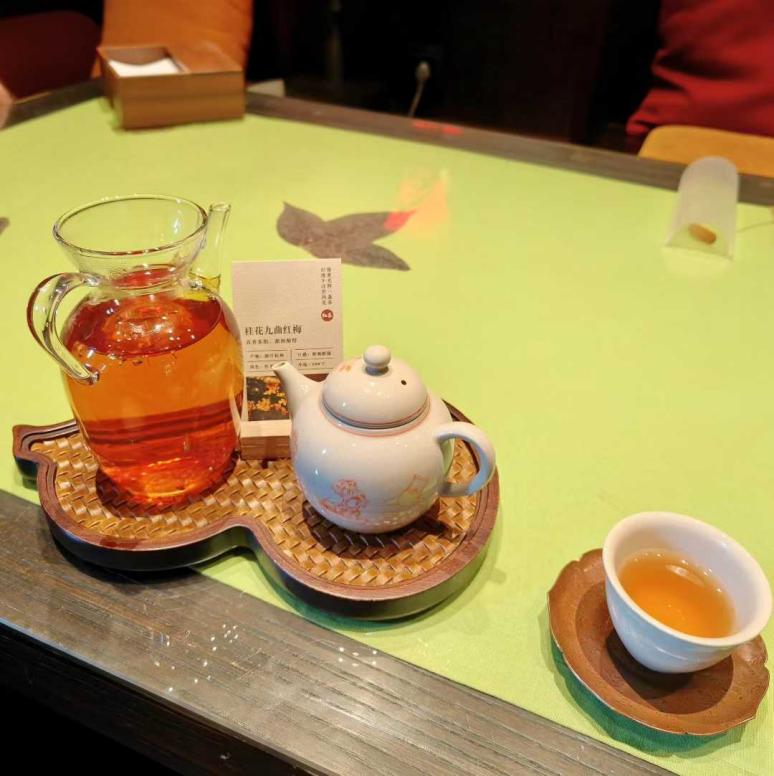
Gergő Enjoying Tea in Zhejiang
From Chinese culture spreader to tea companion,Gergő is becoming a bridge between East and West in his own way.
Looking Ahead: From Nanyanyuan to the Wider World
Gergő’s dream is to build a bridge for China-Hungary exchange, starting from the Peking University Shenzhen Graduate School. This bridge would connect not only two countries but also their people—especially the youth. When he thinks about the future, imagining more aspiring Hungarian young people like him coming to China, to Shenzhen, and to Peking University, a gentle smile appears at the corner of his eyes. "I might suggest they try my favorite light meal window at PKU’s Canteen 3, or take a walk by Mirror Lake as dusk falls. If they step off campus, I’d take them to Shenzhen Bay Park, where I often stroll and reflect. I’d encourage them not to be afraid of learning Chinese—to use it in daily life, just like I do, confidently saying 'Hello, I’d like a sweet potato' at 7-Eleven every day. To integrate into a culture, you must learn its language. I’d also urge them to join more campus activities, team up with Chinese classmates for group assignments like market research or data analysis. I’d tell them Shenzhen is the starting point of global innovation, and PKU Shenzhen is their personal starting point.Here,don’t fear mistakes, try as many new things as possible, experience ever-evolving technology, and unleash infinite possibilities here."
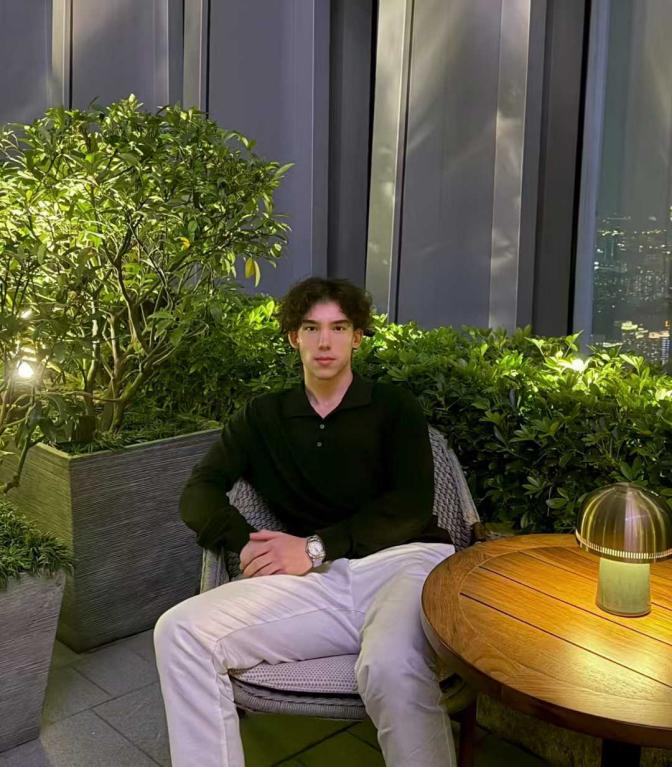
Gergő in Guangzhou during the Canton Fair
The future holds boundless promise, but pragmatic Gergő prefers to focus on the present. Here, starting from PHBS, he will carry the voice of China in his own words to every corner of the world.